
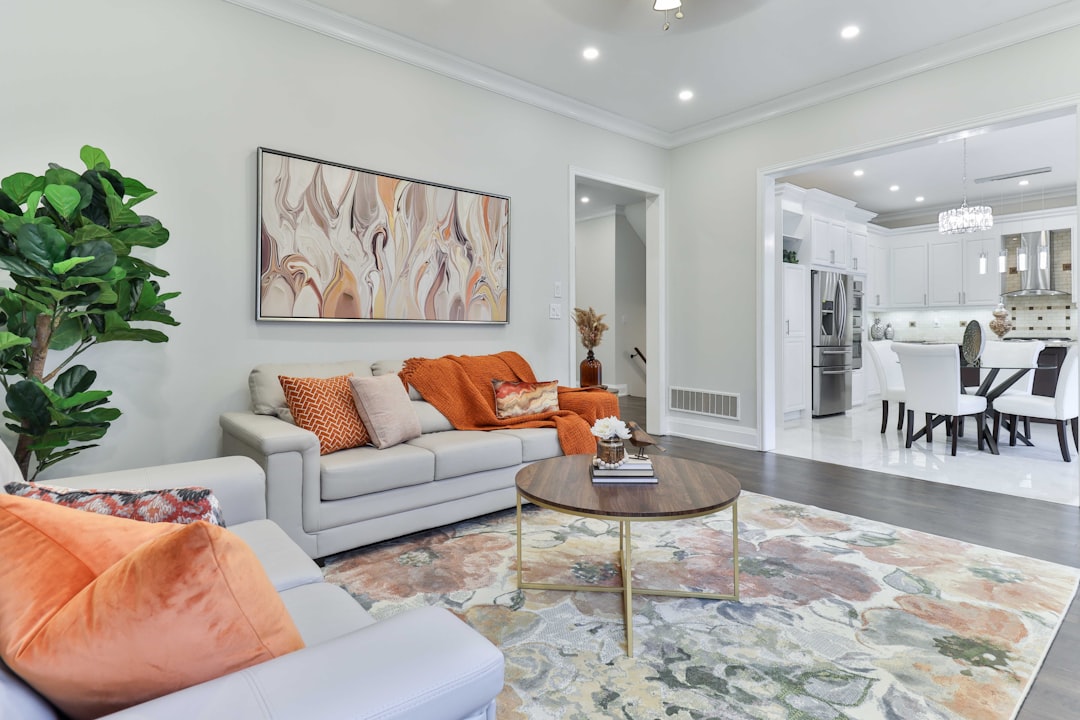
The finest home can lose much of its appeal if the neighborhood around it does not support the life you want to live. Buyers often focus first on architecture, finishes, views, and amenities, yet the deeper value of a property is shaped by what happens beyond the front door. Traffic flow, walkability, privacy, future development, the tone of nearby businesses, and even the way the area feels at different hours all influence whether a purchase remains satisfying over time. For anyone considering Luxury real estate properties, understanding neighborhood dynamics is not a side issue. It is one of the most important parts of buying well.
How Neighborhood Dynamics Shape Luxury Real Estate Properties
In the luxury market, location has always carried extra weight, but sophisticated buyers know that location is more than a prestigious ZIP code. Two streets in the same area can offer entirely different living experiences. One may feel serene, discreet, and well protected from congestion, while another may be more exposed to traffic, noise, or commercial activity. That difference matters not only for day-to-day enjoyment but also for long-term desirability.
When comparing Luxury real estate properties, buyers should look beyond the building itself and evaluate how the surrounding neighborhood supports privacy, convenience, aesthetics, and future resale strength. This is especially true in high-demand coastal and urban markets, where new construction, changing retail patterns, and infrastructure improvements can alter the character of an area faster than many buyers expect.
A strong neighborhood does not need to be loud or fashionable. It needs to be coherent. The best areas tend to have a clear identity, a sense of upkeep, and a balance between exclusivity and practical livability. A buyer should ask not only, “Is this property impressive?” but also, “Will this setting continue to feel right a year from now, and five years from now?”
Read the Daily Rhythm, Not Just the Listing
Neighborhood dynamics reveal themselves in motion. A polished showing in the middle of a weekday can hide a very different atmosphere in the early morning, at school pickup time, on weekends, or after dark. Buyers should visit more than once and pay attention to what the area feels like when normal life is unfolding.
Observe the practical details. Are the roads easy to enter and exit? Does the neighborhood feel insulated from spillover traffic? Are nearby public spaces well maintained? Is there a noticeable difference between the front-facing view and the quieter sides of the block? In luxury purchases, subtle nuisances can become major irritants when experienced daily.
- Morning activity: Note traffic patterns, service vehicles, commuter flow, and the overall sense of pace.
- Evening atmosphere: Watch lighting, noise levels, restaurant overflow, and whether the area feels calm or crowded.
- Weekend energy: Check whether the neighborhood becomes lively, congested, or difficult to navigate.
- Pedestrian life: A balanced level of walkability can add convenience, but excessive foot traffic may reduce privacy.
- Maintenance cues: Landscaping, building exteriors, sidewalks, and storefront presentation often reflect how well an area is cared for.
Luxury buyers are not only choosing a residence. They are choosing a pattern of living. A neighborhood that aligns beautifully with one household may feel entirely wrong for another. The point is not to find a universally perfect area, but to understand the true character of a place before committing.
Evaluate the Drivers of Long-Term Value
Prestige alone does not protect value. What tends to support resilience in premium neighborhoods is a combination of limited supply, strong upkeep, enduring appeal, and intelligent planning. Buyers should pay close attention to what may change around the property, not only what exists today.
Planning and development deserve careful review. A quiet corridor may be slated for commercial expansion. A nearby parcel may eventually become a new tower, mixed-use project, or road improvement. Change is not always negative, but buyers should understand whether it is likely to enhance convenience or compromise the qualities that first attracted them.
| Neighborhood factor | What to look for | Why it matters |
|---|---|---|
| Access and circulation | Entry points, congestion, valet traffic, service access, and peak-hour flow | Shapes convenience, privacy, and daily comfort |
| Surrounding land use | Residential consistency, nearby retail, vacant parcels, and zoning patterns | Signals whether the area is stable or likely to shift |
| Visual cohesion | Architectural quality, streetscape maintenance, landscaping, and signage | Supports neighborhood identity and perceived prestige |
| Amenity quality | Parks, marinas, dining, wellness, and cultural access | Adds lifestyle value and broadens future buyer appeal |
| Privacy profile | Tourist traffic, short-term rental activity, and street exposure | Influences quiet enjoyment and exclusivity |
For buyers navigating areas with many micro-markets, local guidance is often decisive. In Aventura, for example, small differences in building positioning, water exposure, surrounding retail patterns, and traffic routes can meaningfully affect the ownership experience. That is where the local perspective of Jenny Forth Dream Properties can be especially useful, helping buyers see beyond presentation and understand how an address performs in real life.
Match the Neighborhood to Your Lifestyle, Not an Idealized Version of It
One of the most common mistakes in high-end buying is choosing a neighborhood for its image rather than its practical fit. A vibrant district with excellent dining may sound appealing until frequent activity begins to feel intrusive. A beautifully secluded enclave may seem ideal until the commute, lack of walkability, or limited services starts to wear on daily routines.
Buyers should define their non-negotiables early. Some prioritize discretion and quiet above all else. Others want immediate access to waterfront leisure, private clubs, fine dining, or a social environment that feels active and connected. Families may focus on ease of movement, outdoor space, and neighborhood consistency. Seasonal residents may care more about lock-and-leave convenience, building services, and proximity to airports or marinas.
- Clarify your living pattern. Think about weekdays, weekends, travel frequency, entertaining habits, and household needs.
- Rank what matters most. Privacy, convenience, prestige, walkability, water access, and future resale do not always align perfectly.
- Test the area in person. Dine nearby, drive the routes you would actually use, and walk the surroundings without an appointment.
- Consider the ownership horizon. A neighborhood that works for a short stay may not serve a long-term plan, and vice versa.
The right match feels less like compromise and more like coherence. A neighborhood should support the pace, priorities, and level of refinement that you want from the property itself.
A Smart Buyer’s Checklist Before Making an Offer
Even experienced buyers benefit from a disciplined final review. Attractive interiors and polished amenities can create momentum, but neighborhood fit deserves a slower, more methodical look before an offer is submitted.
- Visit the property at multiple times of day and on different days of the week.
- Study nearby development activity and any visible changes in the surrounding streetscape.
- Assess the balance between convenience and privacy.
- Check the practical routes to work, school, airports, marinas, or other routine destinations.
- Observe neighboring buildings and parcels, not just the subject property.
- Evaluate whether the area’s tone matches your actual lifestyle rather than your aspirational one.
- Seek insight from a trusted local professional who understands block-by-block differences.
In premium markets, the best purchases often result from restraint as much as enthusiasm. Taking the time to understand neighborhood dynamics can prevent a costly mismatch and increase confidence that the property will remain rewarding over time.
Conclusion
Buying in the upper tier of the market is not simply about acquiring an exceptional residence. It is about securing a setting that protects comfort, reinforces value, and supports the way you live every day. The most successful buyers look past staging and status to examine the neighborhood with equal care. When Luxury real estate properties are evaluated through the lens of rhythm, privacy, development, access, and lifestyle fit, better decisions follow. A beautiful home may capture attention, but the right neighborhood is what makes it endure.
For more information on Luxury real estate properties contact us anytime:
Jenny Forth Dream Properties
https://www.jennyforthdreamproperties.com/
info@jennyforthdreamproperties.com
+1 (754) 284-6085
20801 Biscayne Blvd, Suite 101, Miami FL 33180
Jenny Forth is a dedicated Florida Realtor known for her professionalism, strong negotiation skills, and commitment to delivering a smooth, stress-free experience for every buyer and seller. With a background in high-value transactions, luxury client service, and years of hands-on market experience in both Broward and Miami-Dade County, Jenny brings a sharp eye for detail and an unwavering focus on client success.
Her approach is built on trust, transparency, and personalized guidance. Jenny understands the emotional and financial importance of every real estate decision, and she takes pride in being the knowledgeable, reliable partner her clients can count on from the first conversation to the closing table.
In addition to real estate, Jenny is also a certified Notary Public and Loan Signing Agent, giving her an added layer of expertise in contracts, closing documents, and the legal side of real estate transactions—an advantage her clients appreciate.
Whether you’re buying, selling, investing, or exploring the market, Jenny Forth is committed to helping you achieve your goals with confidence.


